Botulism Risk Canned Tuna Recall: A Comprehensive Guide To Staying Safe - Over the years, advancements in food safety technology have significantly reduced the incidence of botulism in canned foods. However, occasional outbreaks still occur, highlighting the importance of ongoing vigilance and adherence to safety standards. Historical data shows that improper canning practices and inadequate monitoring have been the primary causes of botulism outbreaks in canned foods. Massive Canned Tuna Recall Due to Botulism Risk Times News Global
Over the years, advancements in food safety technology have significantly reduced the incidence of botulism in canned foods. However, occasional outbreaks still occur, highlighting the importance of ongoing vigilance and adherence to safety standards. Historical data shows that improper canning practices and inadequate monitoring have been the primary causes of botulism outbreaks in canned foods.
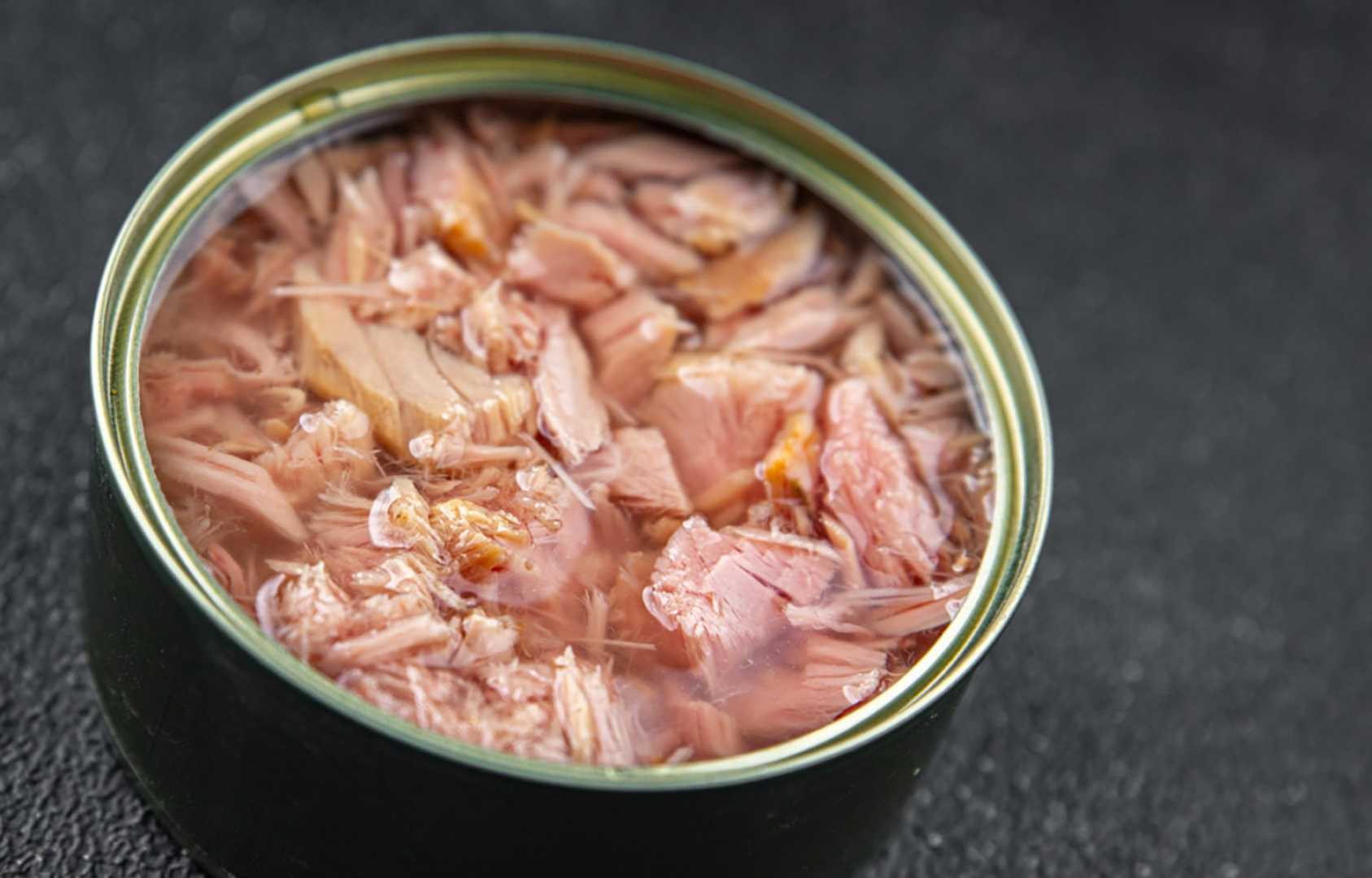
Canned tuna is a popular choice for many due to its convenience, affordability, and nutritional value. However, the canning process requires strict adherence to safety protocols to prevent contamination. If these protocols are not followed, canned tuna can become a breeding ground for the Clostridium botulinum bacteria.
Globally, botulism cases have decreased significantly over the past few decades due to advancements in food safety technology and increased awareness. However, occasional outbreaks still occur, highlighting the need for continued vigilance and adherence to safety standards.
If you experience any of these symptoms after consuming canned tuna, seek medical attention immediately. Early treatment with antitoxins can significantly improve outcomes and prevent severe complications.
Manufacturers must comply with these regulations to ensure the safety of their products. Consumers can have confidence in the safety of canned tuna when these standards are followed.
Botulism risk canned tuna recall is a serious issue that requires attention from both manufacturers and consumers. By understanding the causes, symptoms, and prevention measures, you can protect yourself and your family from the potential dangers of botulism contamination. Staying informed about recalls and following proper handling and storage practices are essential steps in ensuring the safety of your food.
The history of botulism in canned foods dates back to the early days of food preservation. Before modern canning techniques were developed, foodborne illnesses were more common due to the lack of proper preservation methods. The discovery of the Clostridium botulinum bacteria in the late 19th century led to a better understanding of the causes and prevention of botulism.
Botulism poisoning can manifest in several ways, with symptoms ranging from mild to severe. Early recognition of these symptoms is crucial for prompt treatment:
Foodborne illnesses caused by botulism are rare but highly dangerous. When improperly canned or stored, tuna can become a breeding ground for the Clostridium botulinum bacteria, which produces a deadly toxin. This toxin affects the nervous system and can lead to severe health complications if left untreated. In this article, we will delve into the causes of botulism in canned tuna, the recall procedures, and how you can protect yourself and your family from this serious threat.
When a batch of canned tuna is suspected of being contaminated with botulism, manufacturers and regulatory agencies initiate a recall procedure. This process involves:
By following these simple steps, you can significantly reduce the risk of botulism contamination in your canned tuna.
Factors such as improper sealing, inadequate heating during the canning process, or damage to the can during transportation can increase the risk of botulism contamination. Consumers must be vigilant and aware of the signs of contamination to protect themselves.